
The Role of Expert Welding in Building Stability
Welders play a crucial role in ensuring that the structures we rely on every day are safe and durable. The strength of a building or bridge largely depends on how well its components are fused together. This is where skilled welding comes into play. Using precise techniques, welders join metal parts seamlessly to create strong, lasting bonds. Their work not only supports structural integrity but also helps prevent potential failures.

The Importance of Proper Technique
Proper welding techniques are vital for creating robust connections in structures. When the right methods are used, these joints can withstand heavy loads and environmental stressors. For example, many construction projects incorporate iron work due to its high tensile strength and versatility. This material choice necessitates specific welding skills to ensure everything holds up under pressure. Using advanced tools and techniques, expert welders achieve the precision required for reliable results.
Choosing Quality Materials for Longevity
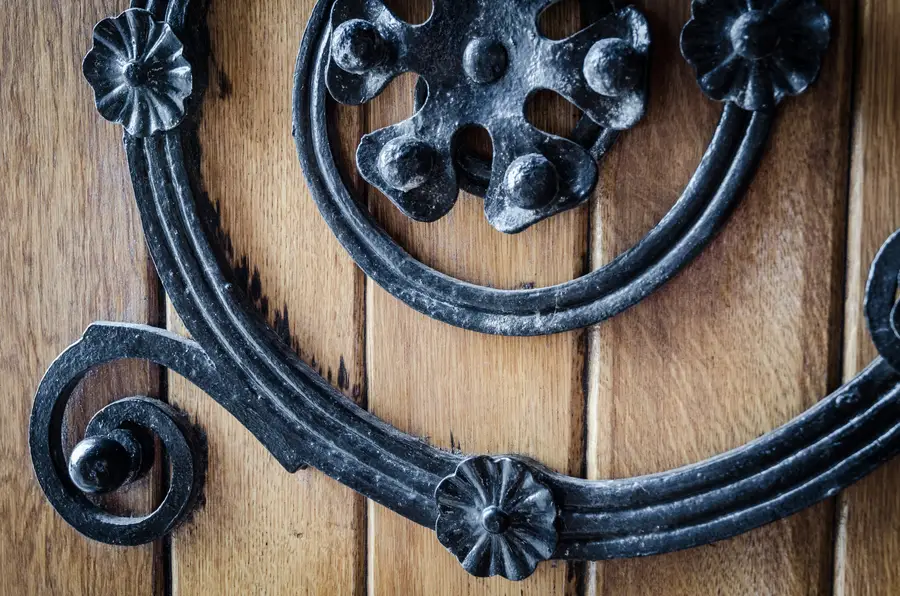
The durability of a structure is heavily influenced by the materials chosen for its construction. Iron Work is often preferred for its resilience and flexibility. High-quality metals provide a solid foundation that resists corrosion and wear over time. By selecting superior materials, welders enhance the lifespan of the structures they build. This careful selection process is part of what makes certain buildings last for decades without significant deterioration.
Tackling Common Welding Challenges
Welding involves several challenges that professionals need to address effectively. Some common issues include controlling heat input, avoiding contamination, and ensuring complete fusion of materials. These challenges require attention to detail and thorough planning to overcome successfully. Skilled welders use various techniques and equipment to manage these factors, leading to stronger and safer structures.
Solutions Through Advanced Techniques
To tackle complex welding tasks, experts employ advanced techniques like MIG and TIG welding. These methods offer better control over the welding process, resulting in higher quality joins. Here are some steps welders might follow:
- Choose the appropriate welding method for the materials involved
- Prepare surfaces to ensure clean and effective bonding
- Use precise heat settings to avoid warping or weakening materials
- Inspect the finished work carefully to detect any flaws
Best Practices for Consistent Results
Adhering to industry best practices helps welders maintain consistency across various projects. Some key practices include regular training updates, detailed project planning, and using state-of-the-art equipment. Additionally, ongoing maintenance checks ensure that all tools are functioning correctly, which is essential for producing reliable welds.
Understanding Industry Standards
The field of welding follows strict industry standards to guarantee safety and effectiveness. Compliance with regulations such as those from the American Welding Society (AWS) is mandatory. These standards cover aspects like material specifications and procedural guidelines, helping maintain uniformity and quality across the board.
Evaluating Cost Considerations
The cost of welding services can vary based on several factors, including material choices and project complexity. However, investing in quality welding pays off in the long run by reducing repair costs and extending the life of structures. Companies should weigh the initial expenses against the benefits of enhanced durability and reliability.
Your Pathway to Stronger Structures With Expert Welding Services
If you’re looking for reliable solutions in Passaic, NJ, our team at E&C Ironworks LLC specializes in providing exceptional welding services tailored to your needs. Call us today at (973) 528-6320 to learn more about how we can help you build stronger, longer-lasting structures through expert welding techniques.