
Essential Elements for Enhancing Welding Outcomes
Maintaining high-quality welds when working with aluminum is crucial for various industries. Factors such as material preparation, equipment settings, and environmental conditions can significantly impact the outcome of a welding project. Addressing these variables ensures durability and integrity in the final product. Understanding how to identify and correct common issues will improve your welding results, ensuring safety and performance.
The Importance of Material Preparation
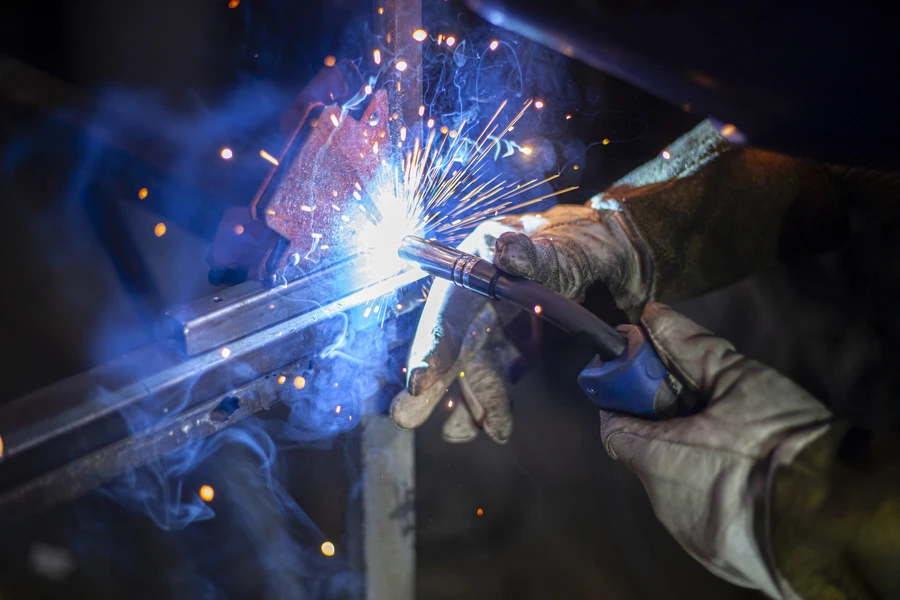
Proper material preparation is key to successful welding. Cleaning aluminum thoroughly before starting prevents contamination that can weaken the bond. Oil, grease, and dirt must be removed using appropriate solvents or cleaners. Additionally, oxide layers on the surface of aluminum should be addressed. Sanding or wire brushing can effectively remove these layers, allowing for better fusion during the process.
Managing Heat Input Effectively
Controlling heat input is essential during aluminum welding. Aluminum conducts heat quickly, which can lead to warping if not properly managed. Adjusting the amperage and travel speed helps control the heat distribution. Using techniques like backstepping can further prevent distortion. High-frequency start options in welding machines are beneficial for maintaining stability while managing heat input efficiently.
Choosing the Right Equipment Settings
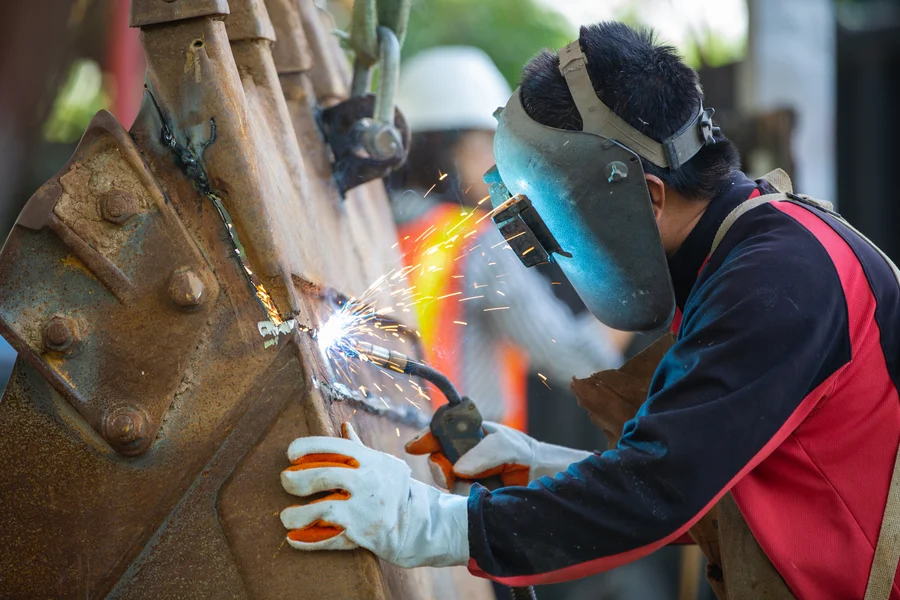
Selecting the appropriate equipment settings is vital for achieving optimal weld quality. This includes adjusting parameters such as voltage, current, and travel speed based on the thickness of the materials involved. For thin sheets, lower current and faster travel speed help avoid burning through the metal. In contrast, thicker sections require higher currents to ensure proper penetration.
Environmental Considerations During Welding
The environment plays a significant role in aluminum welding. Windy conditions or drafts can affect shielding gas coverage, leading to defects in the weld. It is advisable to create a shielded area or use wind blocks when working outdoors. Temperature also affects aluminum’s behavior; warmer temperatures may expand the material, influencing fit-up and alignment.
Common Problems and Their Solutions
Several issues commonly arise in aluminum welding that can compromise quality. Porosity, for example, often occurs due to trapped gases within the molten pool. To address this, ensure cleanliness and check gas flow rates regularly. Cracking can also present challenges; preheating thicker sections reduces thermal stress, mitigating crack formation.
- Ensure all tools and workspaces are clean before starting
- Monitor gas flow levels continuously during the process
- Preheat thick materials to reduce cracking risks
Best Practices for Optimal Results
To achieve the best outcomes in aluminum welding, following industry standards is crucial. Utilize TIG (Tungsten Inert Gas) welding for its precision and control over other methods like MIG (Metal Inert Gas). Regularly calibrate equipment to maintain accuracy in your settings. Training and skill development are equally important, so investing time in practice will always pay dividends in producing high-quality welds.
Cost Considerations and Efficiency
When planning a welding project, understanding cost implications is vital. Investing in quality materials and equipment initially might seem costly but saves money long-term by reducing rework and repairs. Efficient processes reduce labor costs by speeding up production without compromising quality.
Your Reliable Partner for Welding Excellence
For top-tier welding services, turn to E&C Ironworks LLC. Based in Passaic, NJ, we specialize in providing comprehensive solutions tailored to meet your needs. Whether you need expert advice or hands-on assistance, our team is here to help. Contact us at (973) 528-6320 for unmatched expertise and support in achieving exceptional welding results.