
How to Stay Safe in the Workplace as a Welder
As a professional welder, safety should always be your top priority. Working with aluminum involves numerous risks, including exposure to heat, fumes, and sharp tools. Knowing the essential safety practices can greatly reduce these risks and help ensure that you perform your job safely and efficiently. This guide will cover some of the most important safety measures for welders working with aluminum.
The Importance of Protective Gear
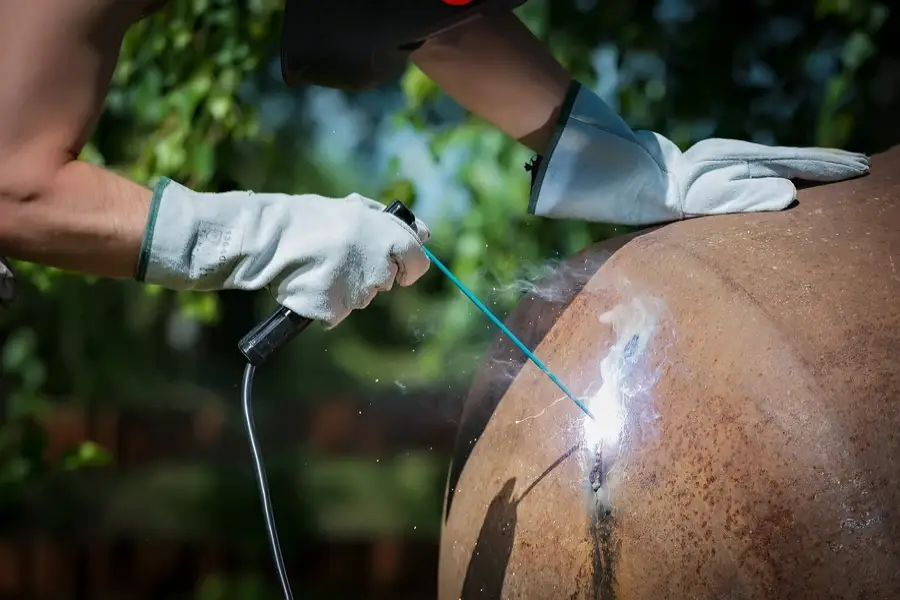
Wearing the right protective gear is crucial when welding. Essential items include gloves, helmets, and goggles. These protect against burns, eye injuries, and inhalation of harmful fumes. Make sure your helmet has a proper filter shade to protect your eyes from ultraviolet and infrared rays.
Proper Ventilation Is Key
When dealing with aluminum welding, it’s essential to have adequate ventilation in your workspace. This helps prevent the buildup of dangerous fumes. Fumes released during welding can contain hazardous substances. Always work in a well-ventilated area or use local exhaust systems to remove fumes directly at their source.
Maintaining Your Equipment
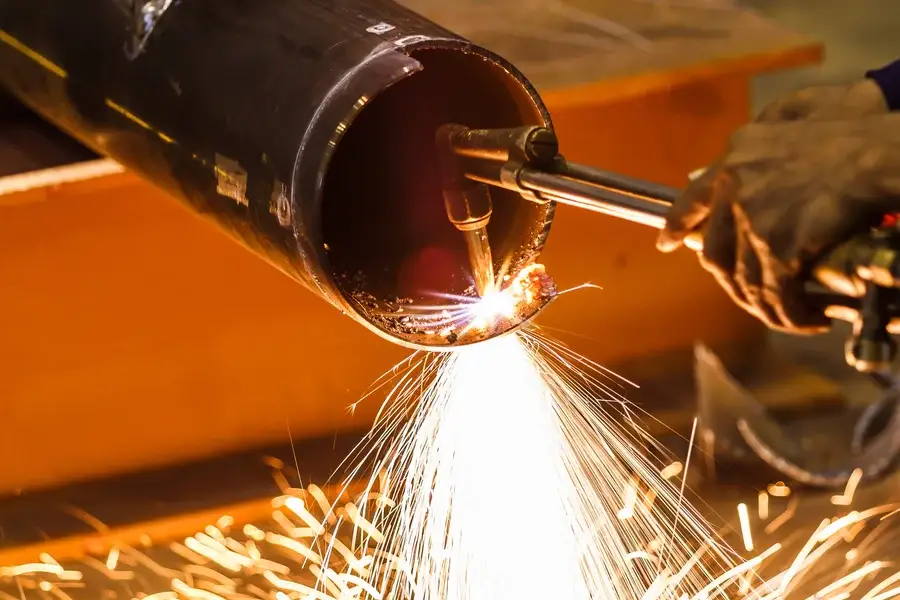
Regularly inspecting and maintaining your welding equipment is vital for both safety and efficiency. When it comes to aluminum welding, poorly maintained tools can cause accidents or poor-quality welds. Check cables for wear and replace any damaged parts. A well-maintained machine ensures better performance and reduces the risk of unexpected malfunctions.
Fire Safety Procedures
Because welding involves high temperatures, fire safety procedures are essential. Keep flammable materials away from your work area and have fire extinguishing equipment readily available. Be familiar with evacuation routes in case of an emergency. Following these practices minimizes the potential for fire-related incidents.
Avoiding Electrical Hazards
Electrical hazards pose serious threats in the welding environment. Proper grounding of electrical equipment is essential to prevent shocks and electrocution. Use dry, non-conductive gloves when handling live wires. Ensure all power cords are intact and properly insulated.
Understanding Ergonomics
Welding often requires awkward positions that can lead to musculoskeletal disorders over time. Take breaks frequently and use ergonomic equipment whenever possible. Adjustable chairs, tables, and tool holders can minimize strain on your body while allowing you to maintain steady precision during tasks.
Ensuring Personal Health and Safety
- Stay hydrated, especially in hot environments
- Take regular breaks to avoid fatigue
- Get medical check-ups for long-term health monitoring
- Attend safety training sessions regularly
Keeping up With Industry Standards
The welding industry continues to evolve, introducing new technologies and methods that enhance safety and efficiency. Staying informed about current industry standards is necessary for every professional welder. Participate in workshops and seminars to keep up-to-date with best practices.
Your Path to Safe Welding Practices
Safety in welding isn’t just about following rules-it’s about creating an environment where you and your colleagues can thrive without fear of injury. By adhering to these essential safety practices, you significantly reduce risk factors associated with welding jobs. Located in Passaic, NJ, we offer comprehensive training programs tailored for welders. Contact E&C Ironworks LLC today at (973) 528-6320 to learn more about our services that prioritize your safety and professional growth.