
Avoiding Errors for Better Results
Welding stainless steel can be a challenging task due to its unique properties. This process requires precision and attention to detail to avoid common mistakes that could compromise the integrity of the weld. It’s essential to understand these pitfalls to ensure that your welding projects are successful and durable. In this guide, we’ll explore some frequent errors and provide tips on how to avoid them, leading to better outcomes in your projects.
Importance of Cleanliness
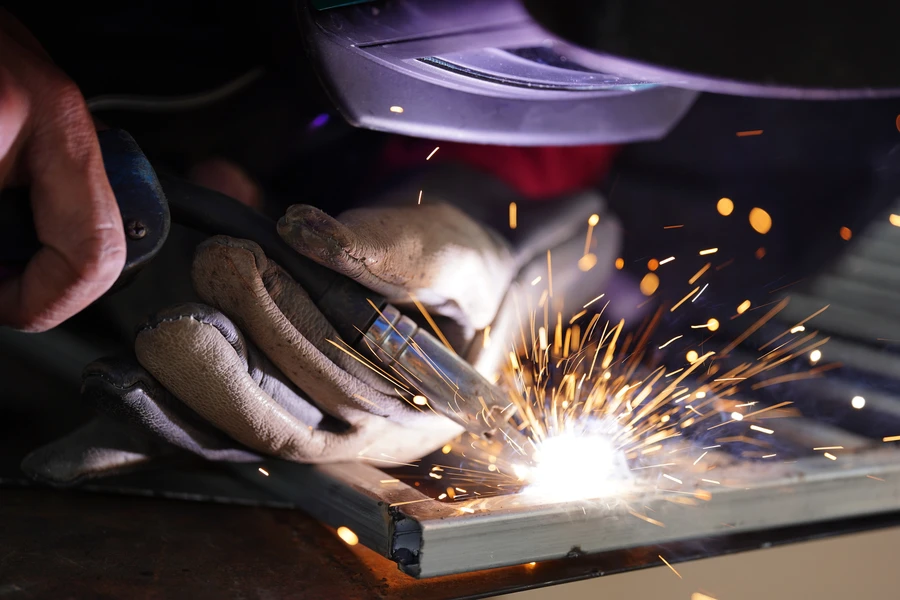
One of the most crucial steps in welding stainless steel is ensuring the cleanliness of your materials and workspace. Any contamination, such as dust or grease, can affect the quality of the welds. Before starting, clean all surfaces thoroughly to remove any impurities. This simple step can prevent corrosion and ensure a stronger bond.
Avoiding Incorrect Heat Input
Heat management plays a vital role in stainless steel welding. Applying too much heat can cause warping or distortion in the material. Conversely, insufficient heat might lead to weak welds that could break under stress. Always use the recommended heat settings for your specific type of stainless steel to maintain structural integrity.
Selecting the Right Filler Material
The choice of filler material significantly impacts the success of welding tasks. Using an incompatible filler can lead to poor adhesion and reduced strength. For stainless steel welding, select a filler that matches the composition of the base metal. This ensures a consistent and robust join between welded parts.
Managing Thermal Expansion
Stainless steel has a high coefficient of thermal expansion, which means it expands more than other metals when heated. This property can lead to problems like cracking if not managed properly. To mitigate this risk, use appropriate clamping techniques during the welding process to control movement and maintain alignment.
Preventing Cracking During Cooling
Rapid cooling is another factor that can cause cracks in stainless steel welds. These cracks compromise the durability and appearance of the finished product. To prevent this issue, allow the welds to cool slowly by covering them with blankets or using controlled cooling methods.
Using Proper Ventilation and Protection
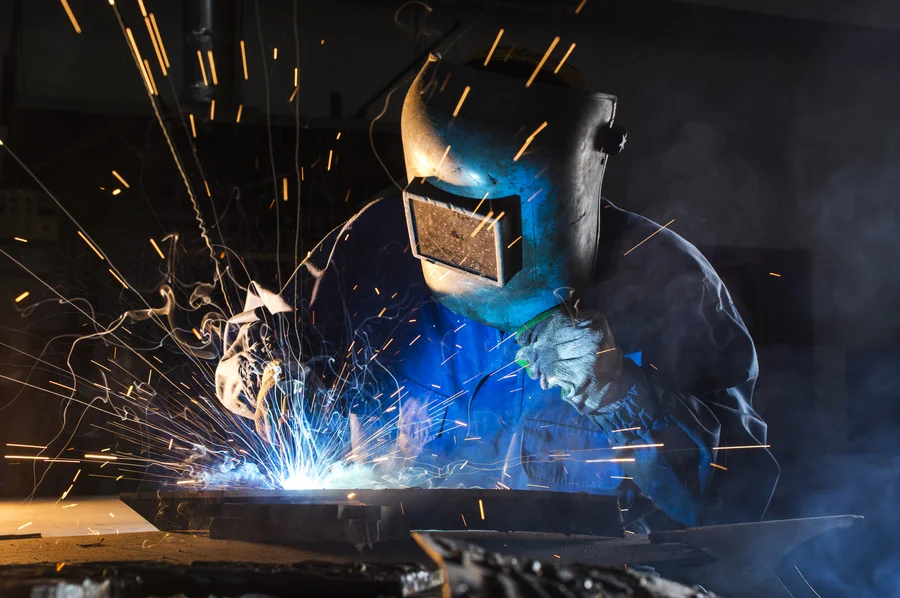
Welding generates fumes that can be hazardous to health if inhaled over time. Ensure your workspace is well-ventilated to disperse these fumes effectively. Additionally, wear appropriate safety gear, including masks and gloves, to protect yourself from any harmful exposure during the process.
Final Tips for Successful Projects
When working with stainless steel, preparation and precision are key. Keep your materials clean and choose compatible fillers for strong welds. Manage heat input carefully to avoid distortion, and control thermal expansion through proper clamping techniques. By avoiding these common pitfalls, you can achieve high-quality results every time. If you need expert assistance, contact E&C Ironworks LLC at (973) 528-6320. Based in Passaic, NJ, we offer professional services tailored to meet your needs.